
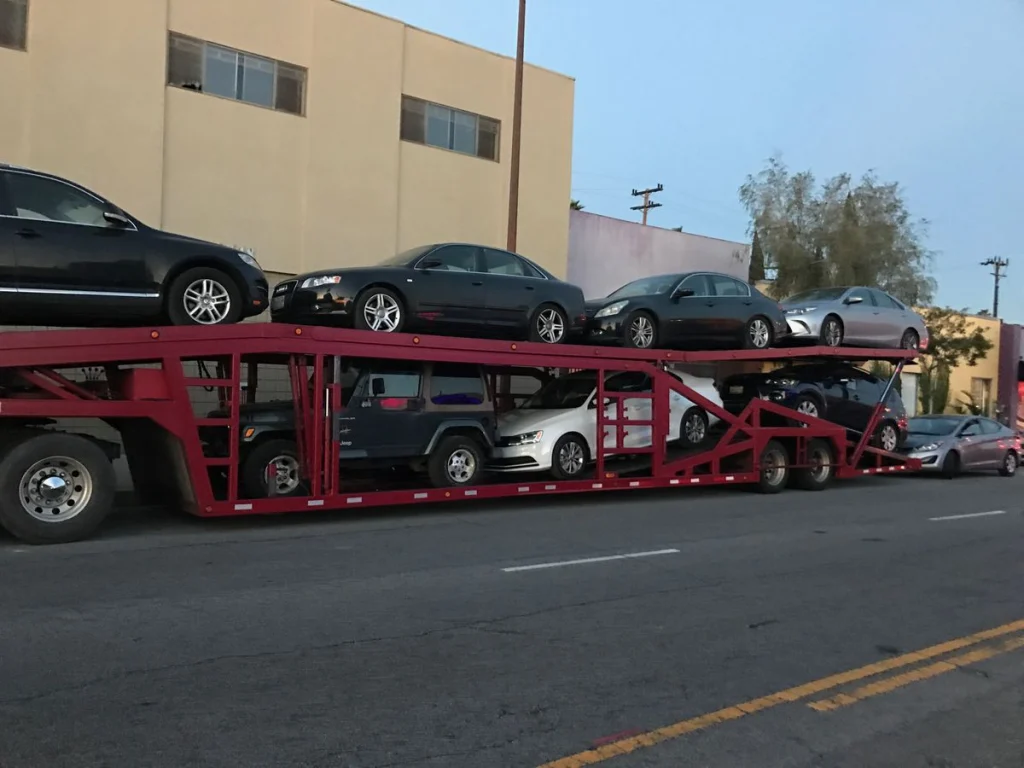
How to Prepare Your Car for Shipping: A Step-by-Step Checklist
Shipping your car to another city or state requires more than simply handing over the keys.
Proper preparation helps support a smoother pickup, makes vehicle inspections easier, and reduces the likelihood of preventable complications.
Whether you’re moving across Georgia or arranging long-distance transportation, following a vehicle shipping checklist can make the experience easier.
Here are ten important steps to take before your vehicle is collected.
Step 1: Wash Your Vehicle
Start by cleaning the exterior of your automobile.
A clean vehicle makes it easier to identify existing scratches, dents, chips, and other cosmetic imperfections.
You do not need professional detailing, but removing dirt and debris helps support a more accurate condition inspection.
Step 2: Take Detailed Photographs
Before pickup, photograph your vehicle from multiple angles.
Capture the front, rear, both sides, roof where practical, wheels, and any existing damage.
Photograph the interior and dashboard mileage as well.
Keep these pictures in a secure location until the vehicle has been delivered and inspected.
Step 3: Remove Personal Belongings
Remove valuables, important documents, electronics, loose accessories, and personal possessions.
Many auto transport arrangements restrict personal belongings inside shipped vehicles.
Items left inside may not be covered by cargo insurance and can create safety or weight-related concerns.
Check your shipping agreement for the applicable rules.
Step 4: Check for Fluid Leaks
Inspect the vehicle for visible fluid leaks.
Significant leaks may create safety issues during loading or transportation.
If your automobile has a known mechanical problem, disclose it before booking.
This allows the transportation provider to assess whether special arrangements are necessary.
Step 5: Check the Battery and Tires
A vehicle that starts and moves normally is generally easier to load and unload.
Make sure the battery is charged and the tires are properly inflated.
If the vehicle is inoperable, tell the transportation provider in advance.
Inoperable vehicles may require specialized equipment and can involve additional charges.
Step 6: Keep Fuel at the Recommended Level
Many vehicle carriers recommend approximately one-quarter of a tank of fuel.
This usually provides enough fuel for loading and unloading without carrying unnecessary weight.
However, you should follow the specific instructions supplied for your shipment.
Step 7: Secure or Remove Loose Accessories
Remove detachable antennas, temporary roof racks, loose spoilers, and other accessories when practical.
Secure convertible tops and check that windows, doors, and the trunk close properly.
If your vehicle has unusual modifications, communicate them before pickup.
Step 8: Disable Unnecessary Alarms
Vehicle alarms can create problems during transportation if they activate unexpectedly.
Review the carrier’s instructions concerning alarms, tracking devices, and electronic systems.
Do not disable any safety feature unless doing so is appropriate for your vehicle and consistent with the carrier’s requirements.
Step 9: Prepare Keys and Documentation
Make sure the authorized pickup representative has the necessary vehicle keys.
Keep your booking confirmation and contact information accessible.
At pickup, review the vehicle condition report and confirm that visible existing damage has been recorded accurately.
Retain your copy of the documentation.
Step 10: Plan for Delivery Inspection
Vehicle preparation does not end at pickup.
When the automobile arrives, inspect its condition before signing the final delivery acknowledgment.
Compare the vehicle with your original photographs and pickup condition report.
If you notice a concern, document it promptly and follow the reporting procedure in your transportation agreement.
Additional Tips for Long-Distance Car Shipping
If you’re shipping between states, keep your schedule flexible and understand the difference between pickup estimates and transit estimates.
Make sure the pickup and delivery contacts are reachable.
If someone else will receive the vehicle, confirm that they are authorized and understand the inspection process.
For enclosed shipping, communicate special loading requirements for low-clearance or specialty vehicles.
For door-to-door shipping, verify that the requested locations are accessible to large transport trucks.
Final Thoughts
Preparing your vehicle before transportation can make pickup and delivery more efficient.
Cleaning the automobile, documenting its condition, removing personal items, and reviewing the shipping agreement are simple steps that can help prevent misunderstandings.
Ready to arrange your next vehicle shipment? Contact Keystone Car Shippings in Savannah, GA, to discuss your transportation needs and request a quote.